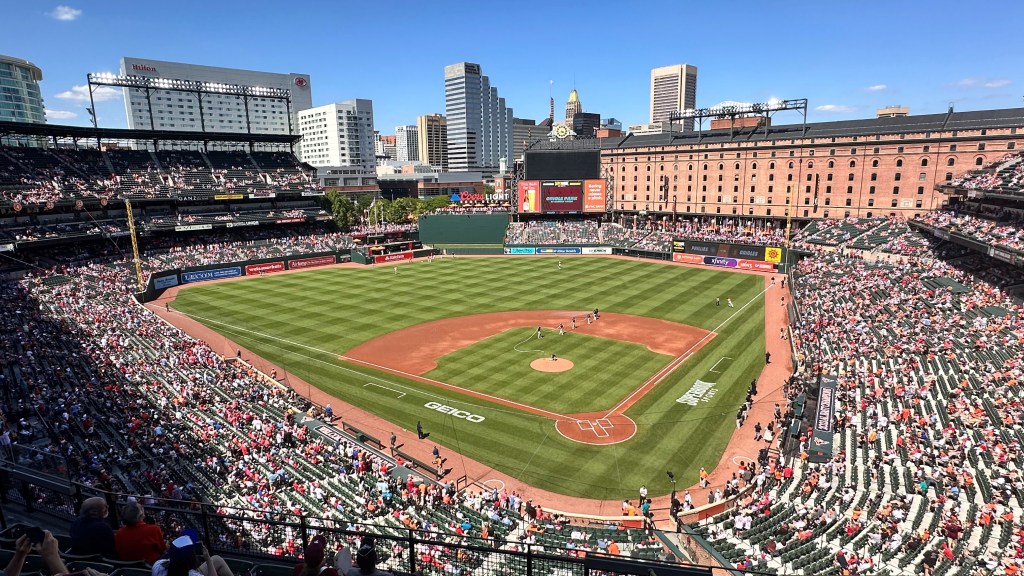
Although I’ve visited this ballpark many times, today was my first visit since beginning the quest to visit all thirty active ballparks. I first visited Oriole Park at Camden Yards (OPACY) during its inaugural season in 1992. It is therefore technically the first active ballpark that I ever visited. Following is the list of all active ballparks that I’ve visited at the time of this writing:
1 — Baltimore Orioles (1992; date unknown)
2 — Philadelphia Phillies (2004; date unknown)
3 — Pittsburgh Pirates (July 30, 2022)
4 — Atlanta Braves (May 28, 2023)
OPACY is in a downtown setting, which I am partial to. I don’t mind battling traffic to get to a gem like this. You can pre-order parking in the team lot for a very reasonable $10. If you want to skip the traffic, you can catch the Light Rail in the suburbs for $4 round trip. Both options deliver you directly adjacent to the stadium. On this day I opted for the light rail, which conveniently dropped me off one block from the main entrance.

The downtown location of this ballpark is fantastic. There are a multitude of pregame and postgame entertainment options within walking distance. Two of the more famous local watering holes are Pickles Pub and the Pratt Street Alehouse, both located within a one or two-block walk of the stadium.
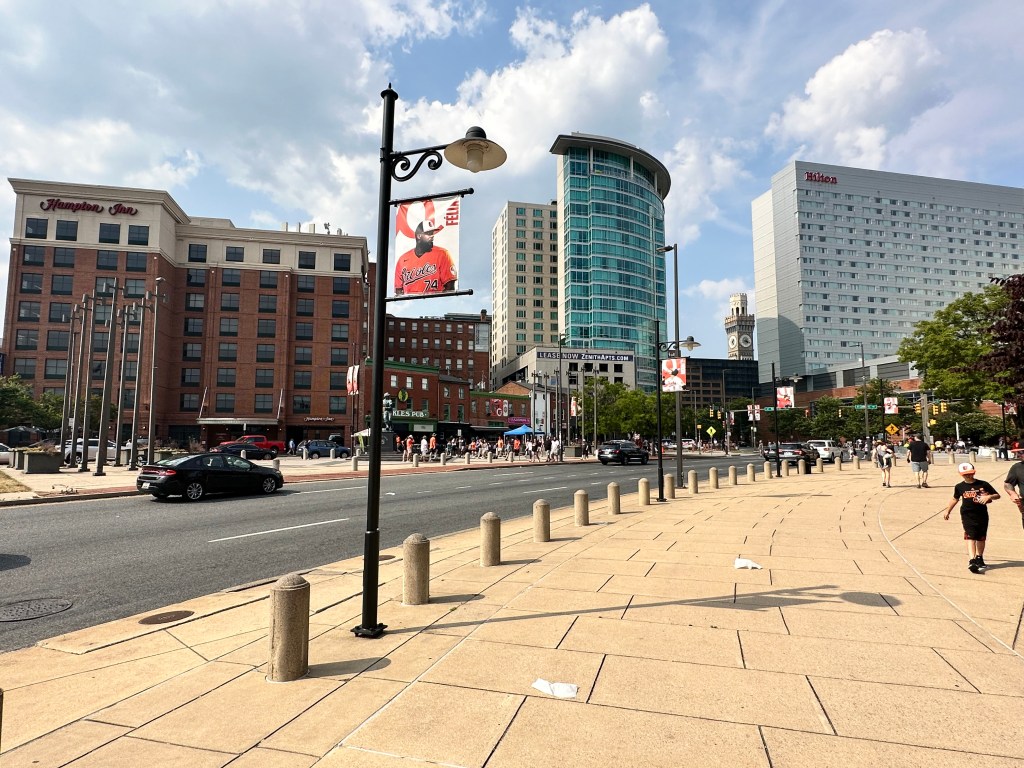
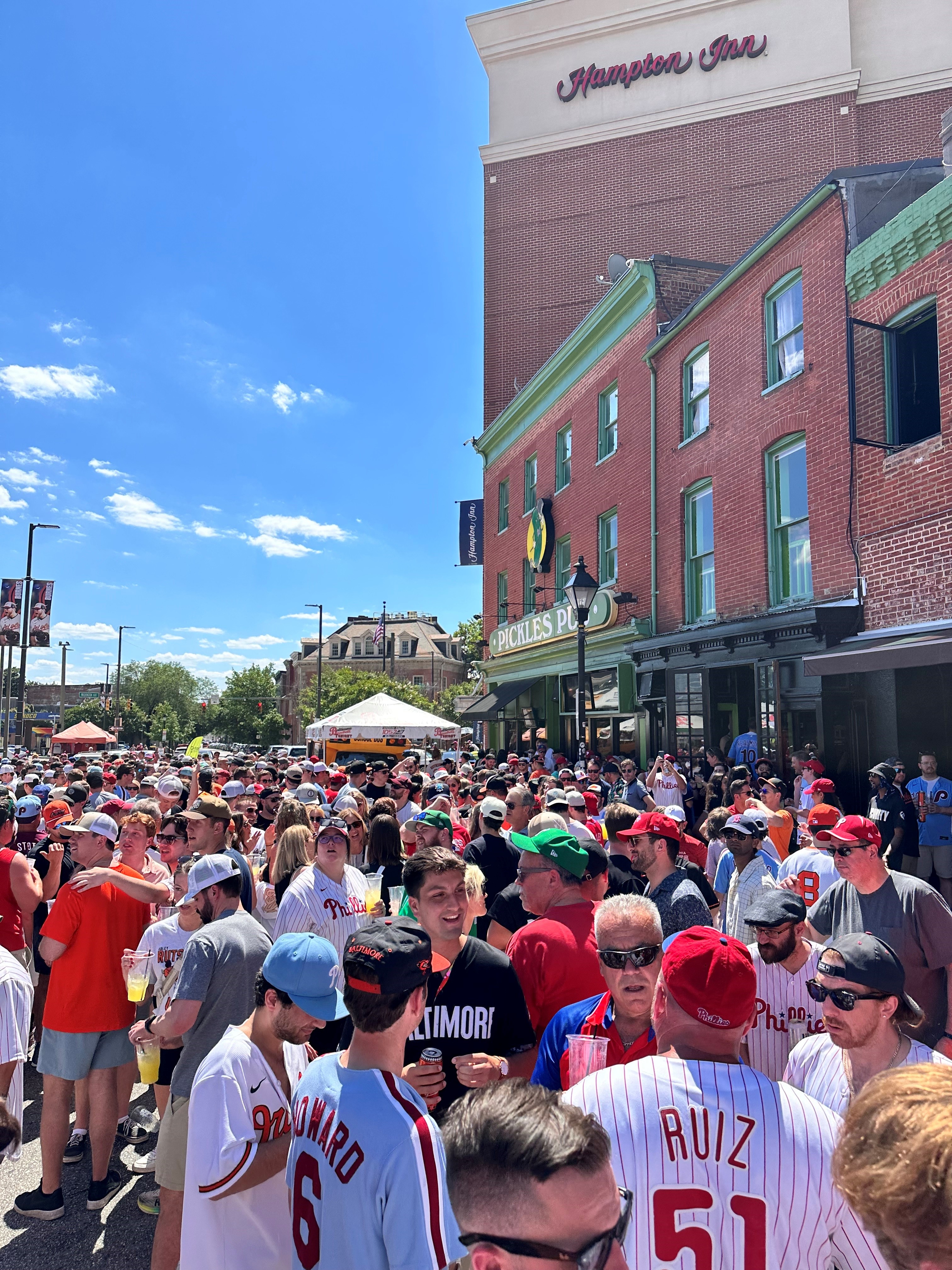
Also, within a five or six-block walk of the stadium is the Baltimore Inner Harbor with its many shopping & dining options, the Baltimore Aquarium, the United States Lightship Chesapeake Museum, and many other attractions. For me, a trip to OPACY is typically a full-day trip that includes taking in all of the sights & sounds of this bustling downtown setting.
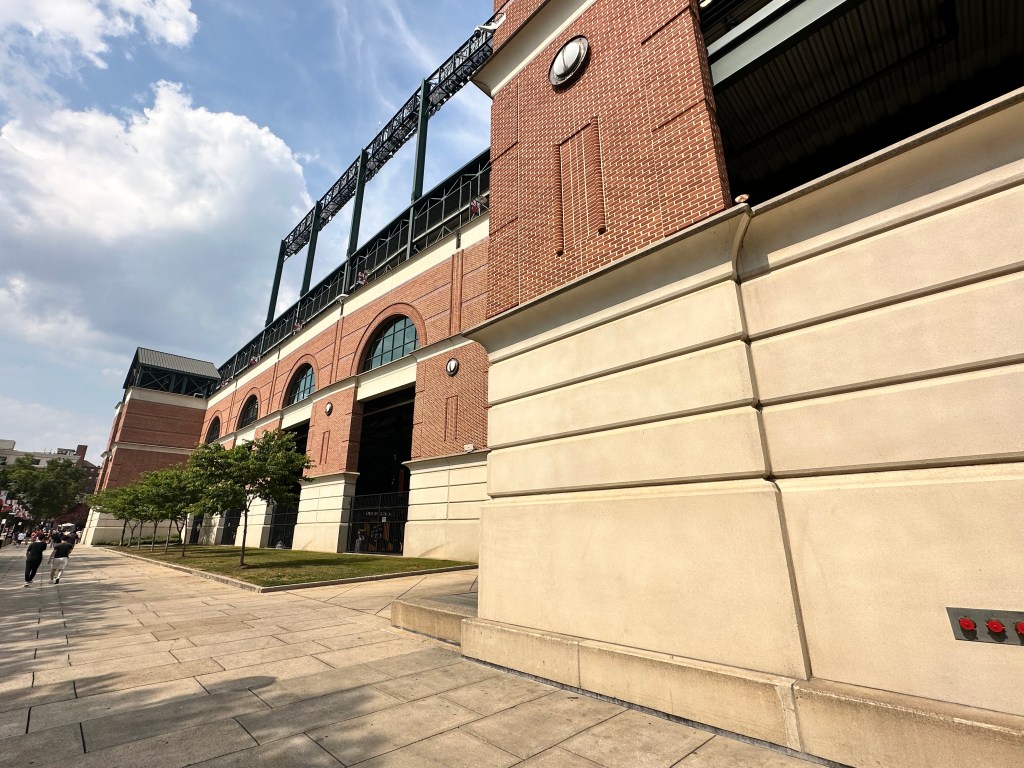
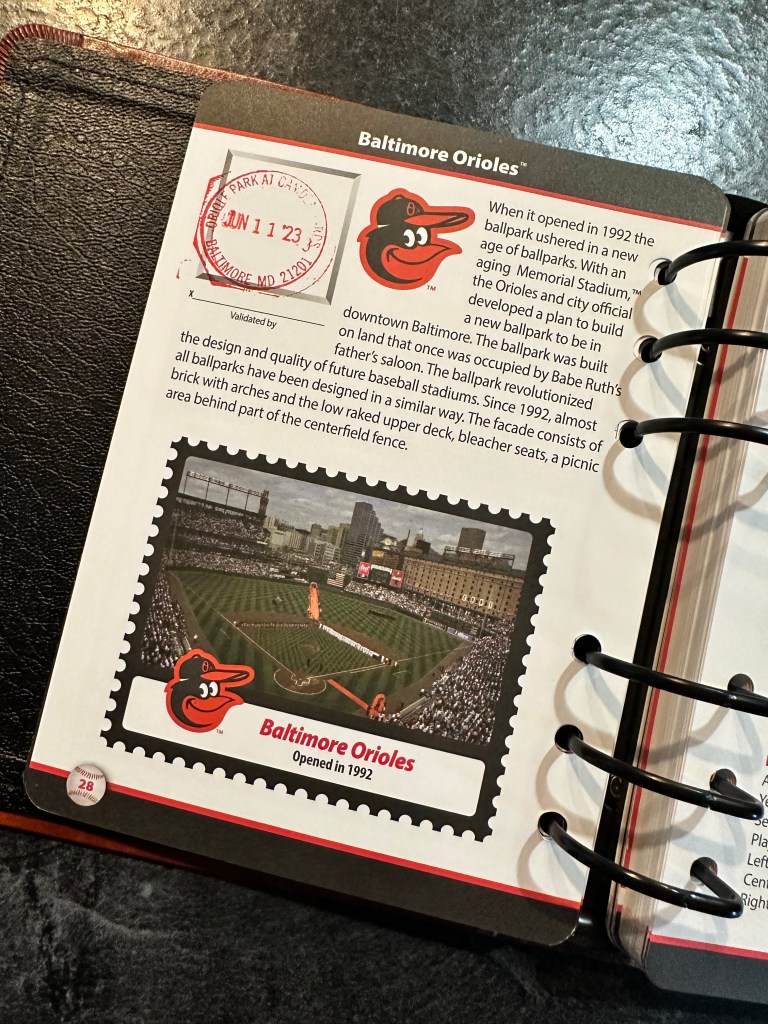
Even though OPACY is a somewhat modern stadium, the exterior facade is a traditional design meant to mimic historically significant ballparks of the past. The designers chose to use beautiful brickwork in combination with intricate steel details and a concrete base that brings the scale of the building down to the human level.

The result is a stunning ballpark that evokes memories of the jewel box stadiums from the early 20th century. This approach to stadium design was a new concept in 1992, and it was so well received that it started a throwback stadium design craze that continues today, 31 years later.

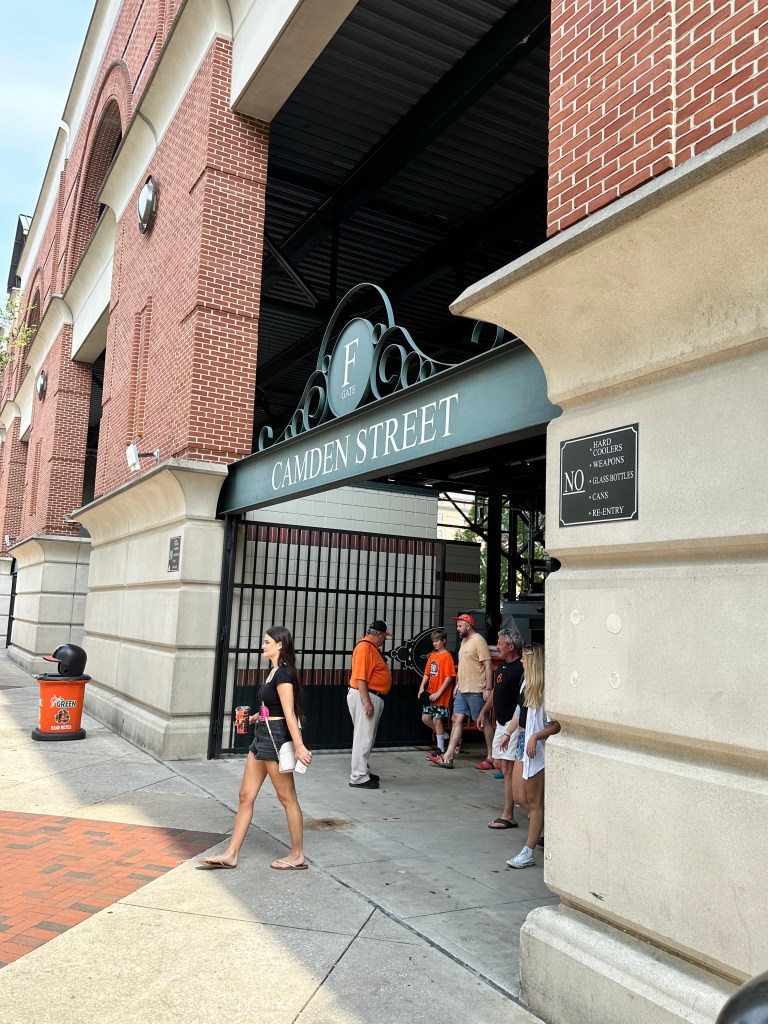
There are multiple entrances around the perimeter, however, the Eutaw Street entrance in center field is the showstopper. As you enter through the gate, Eutaw Street becomes part of the ballpark concourse and is framed by the signature B&O warehouse to the left and the center field scoreboard to the right. It is an active and festive environment lined with concessions and merchandise shops.

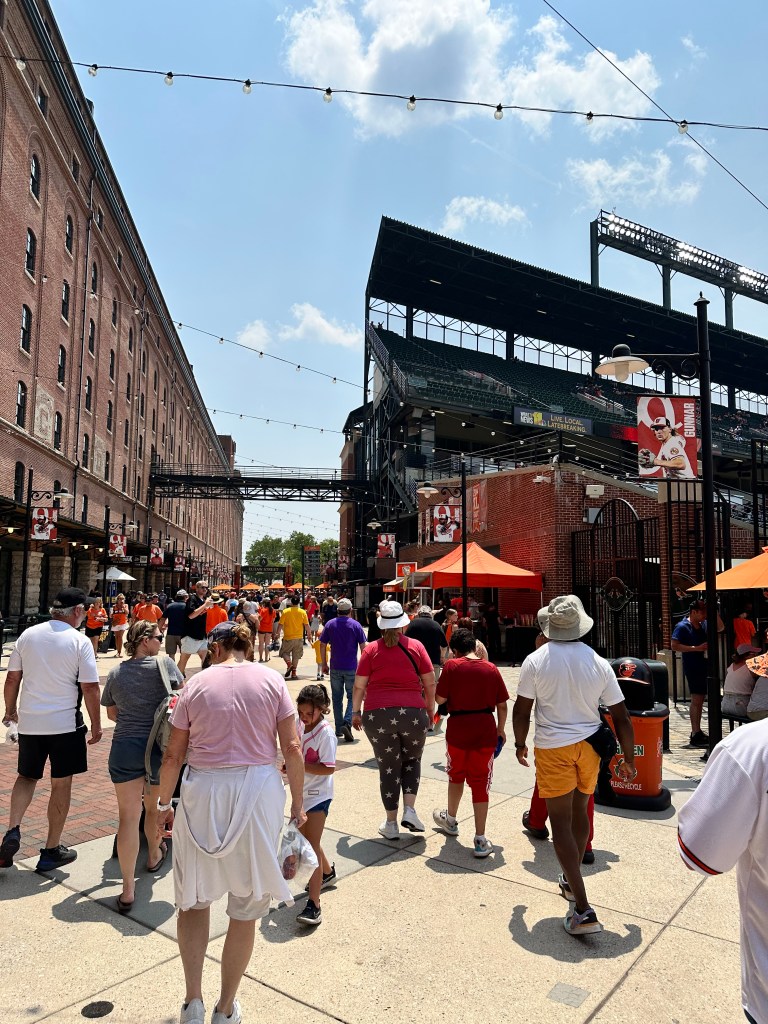
The B&O Warehouse is a historic building that was built by the Baltimore & Ohio Railroad between 1899 and 1905 to serve the Camden Station. It was preserved and incorporated into the design of OPACY and has become one of the most iconic backdrops in all of baseball. Today it houses the Orioles’ executive offices, the Orioles ticket offices, Dempsey’s Brew Pub and Restaurant, and the Orioles’ official team store.
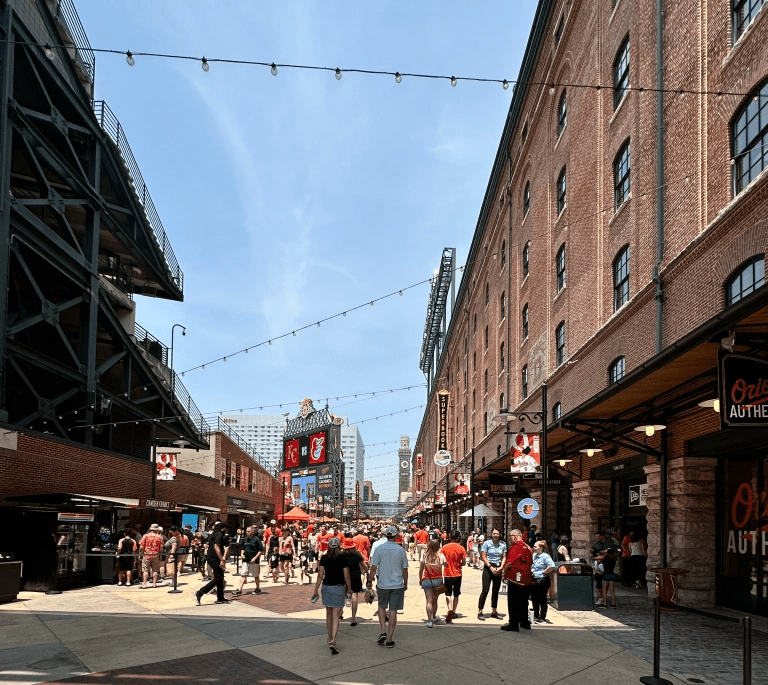
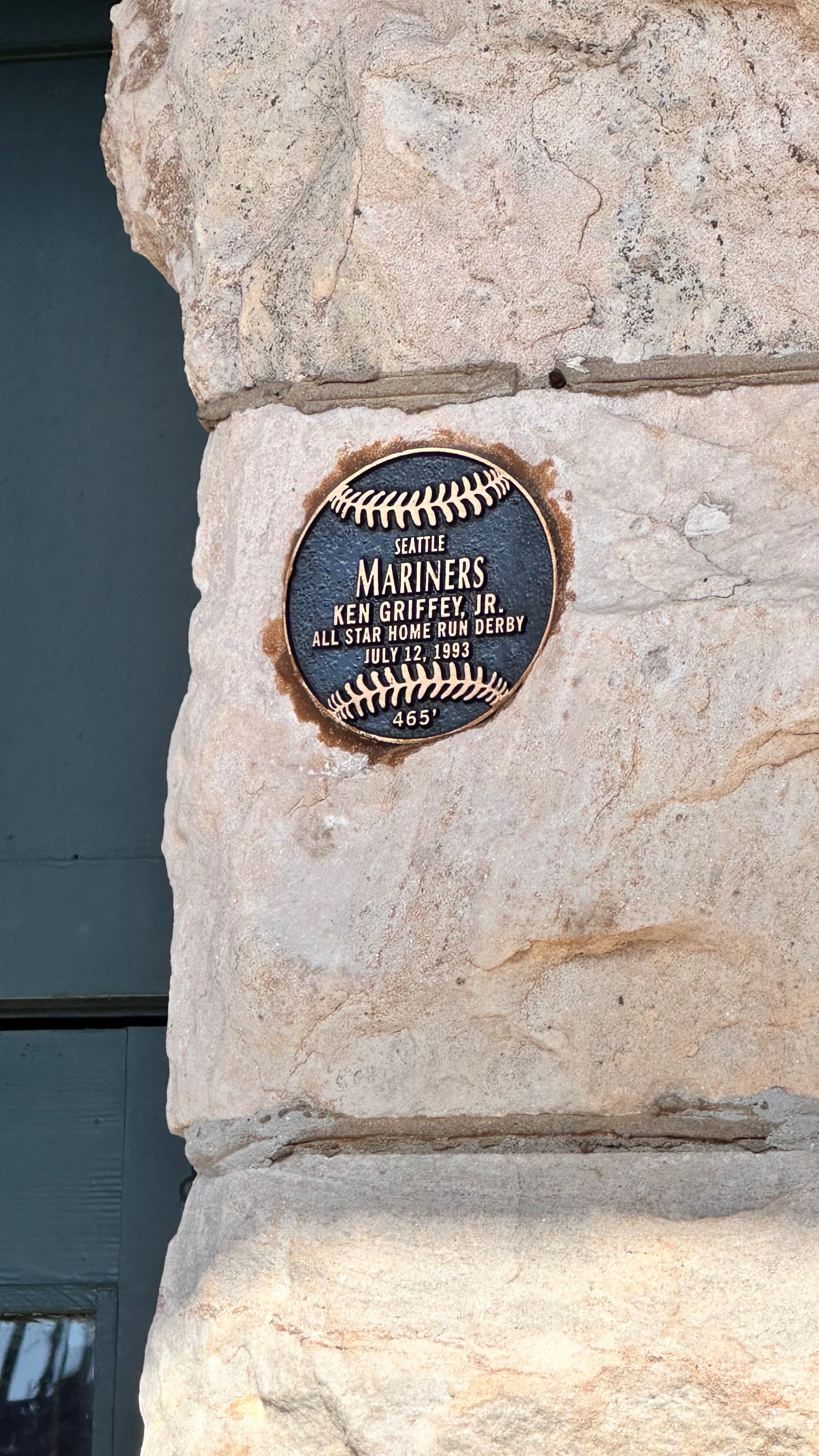
Eutaw Street is an active & festive environment during games. It is lined with shops, concessions, and a standing-room-only plaza overlooking right field. Ex-Orioles player Boog Powell has a popular barbecue stand out here. Also, if you look down at your feet you will see many markers showing where various home run balls have landed throughout the ballpark’s history. Eutaw Street extends from center field to the right field corner where you enter the covered concourse.
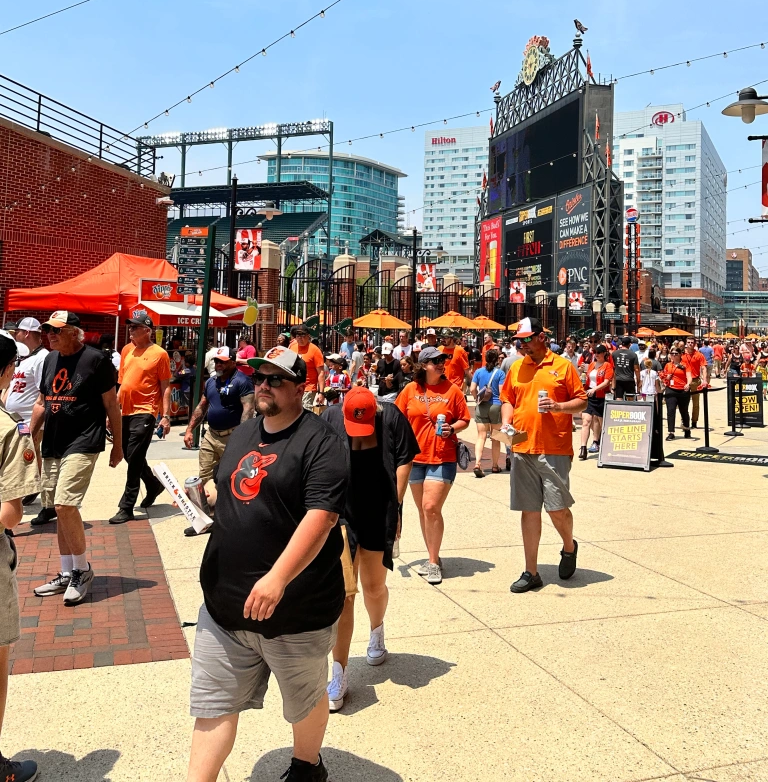
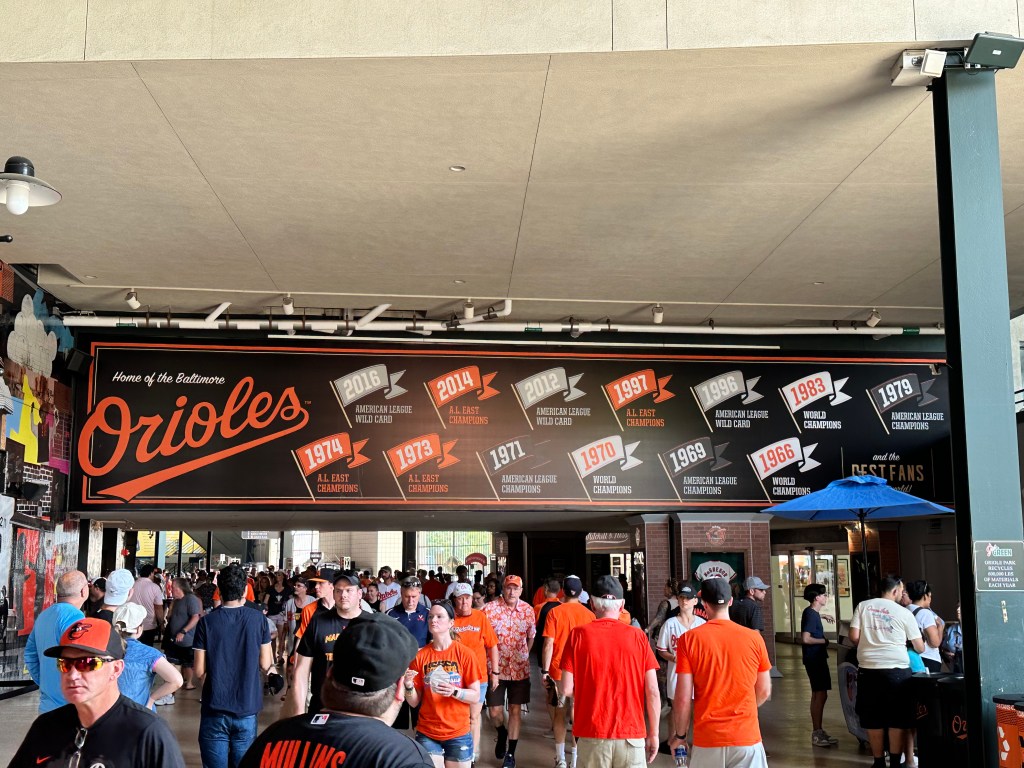
The concourse is the one area where OPACY missed the mark. While it is adequately wide, not claustrophobic, and allows you to walk all the way around the stadium, it is a closed concourse. This means that it is dark and does not allow views to the field of play. Unfortunately, the open concourse concept did not become popular in ballpark designs until after the completion of OPACY.


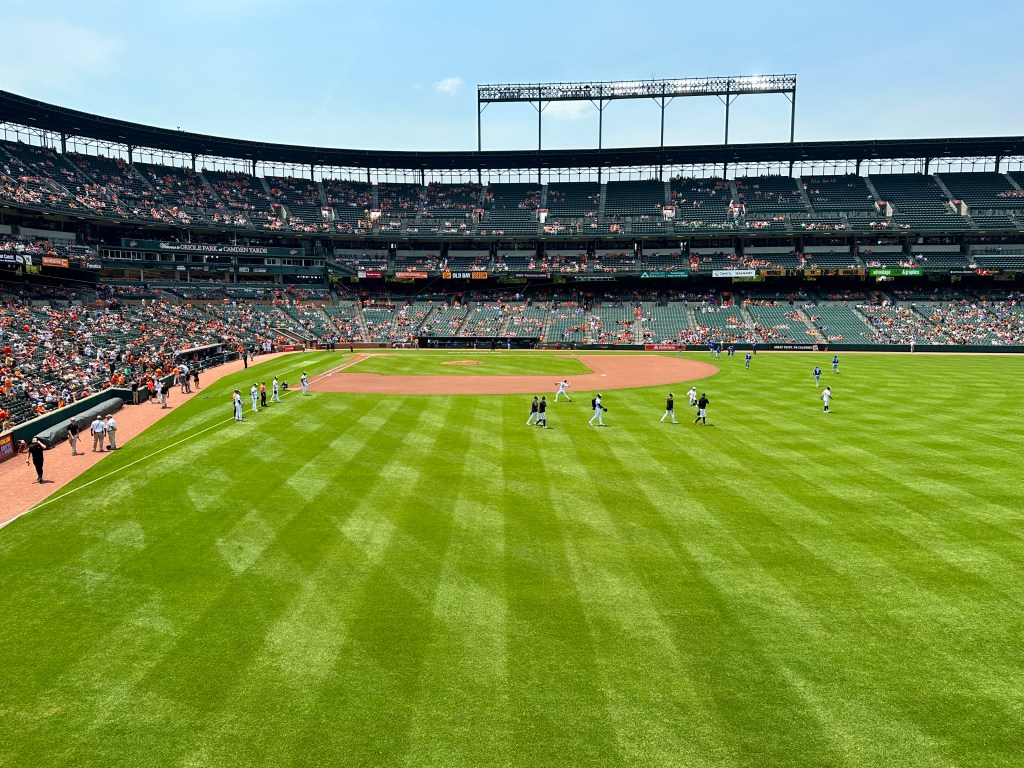
I’ve sat in many different places in this ballpark, and never had a poor or obstructed view. However, one should note that the seats themselves are pretty uncomfortable. They are narrow and lack adequate leg room. On a crowded day you will feel pretty snug with your neighbors.
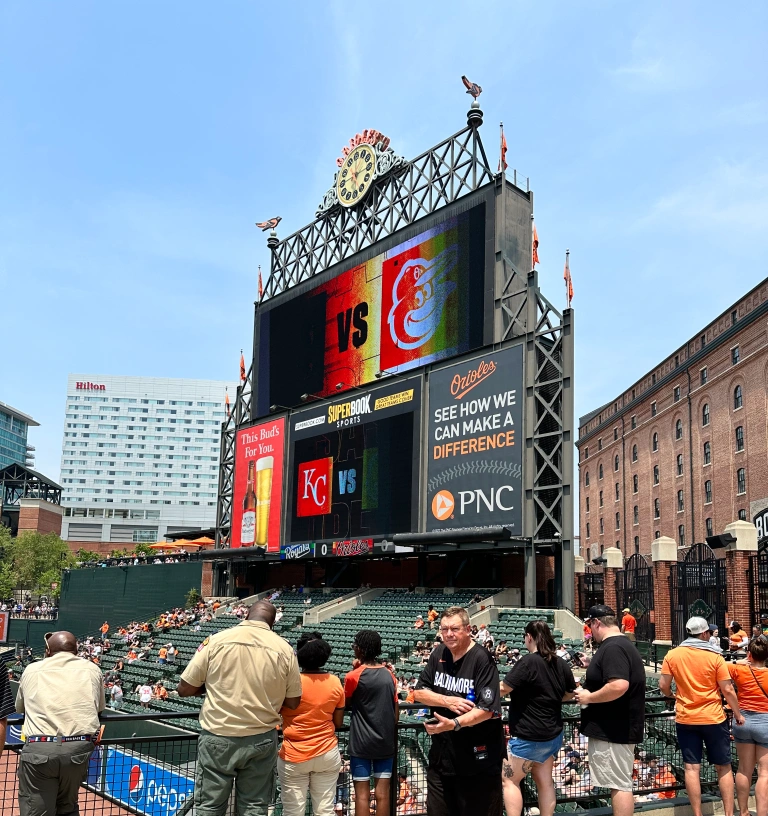
The backdrop in this stadium is one of the best in the league, rivaling places like Pittsburgh & San Francisco. What make the backdrop here so special is the B&O warehouse and the ornamental scoreboard in rightfield. There is also a view of a few high-rises beyond the batter’s eye in centerfield. The high-rises themselves aren’t architectural wonders, but in combination with the warehouse and the scoreboard, it all comes together to create a pretty dramatic view.

The scoreboard here is small. Because of its size, it doesn’t contain a ton of in-game information. Also, the graphics are grainy, and the text is small, making it difficult to read at a distance.
Despite its poor legibility, the architectural detail of this scoreboard is one of my favorites in the league. It’s a handsome design element that ties in beautifully to the throwback vibe of the ballpark. The video board is framed by ornamental steel and crowned with two oriole weathervanes and a decorative clock.
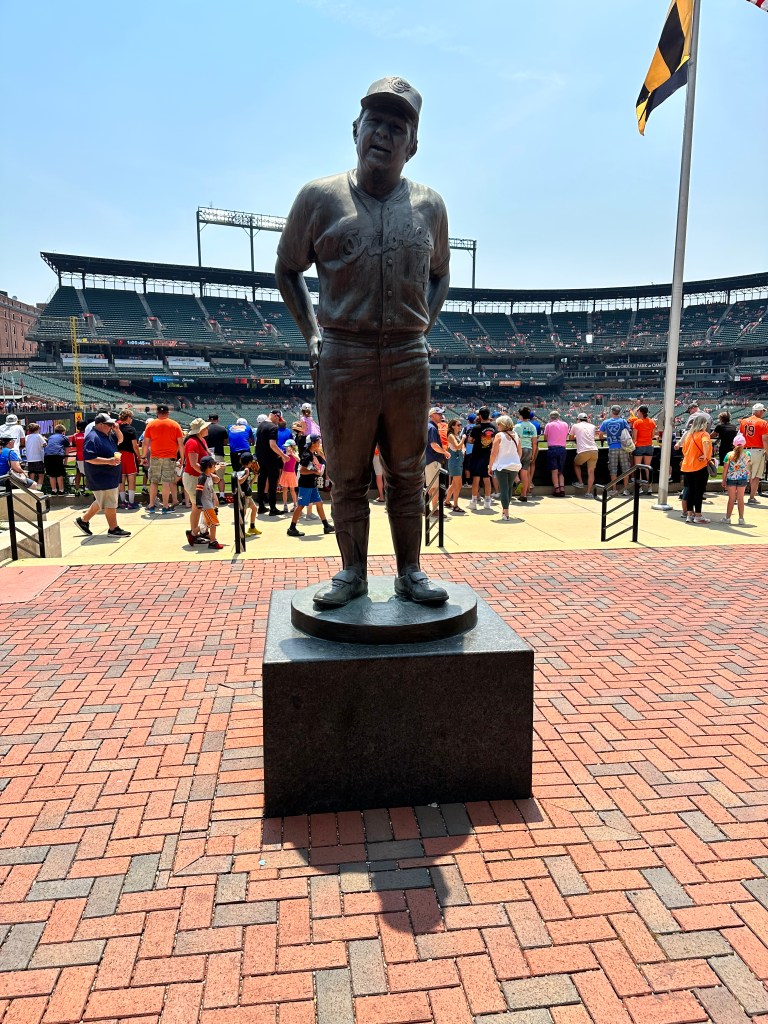
Another cool feature of this stadium is the monument garden in centerfield. This plaza contains several statues of Orioles greats including Brooks Robinson, Earl Weaver, Eddie Murray, and Cal Ripken Jr., one of my all-time favorite players.

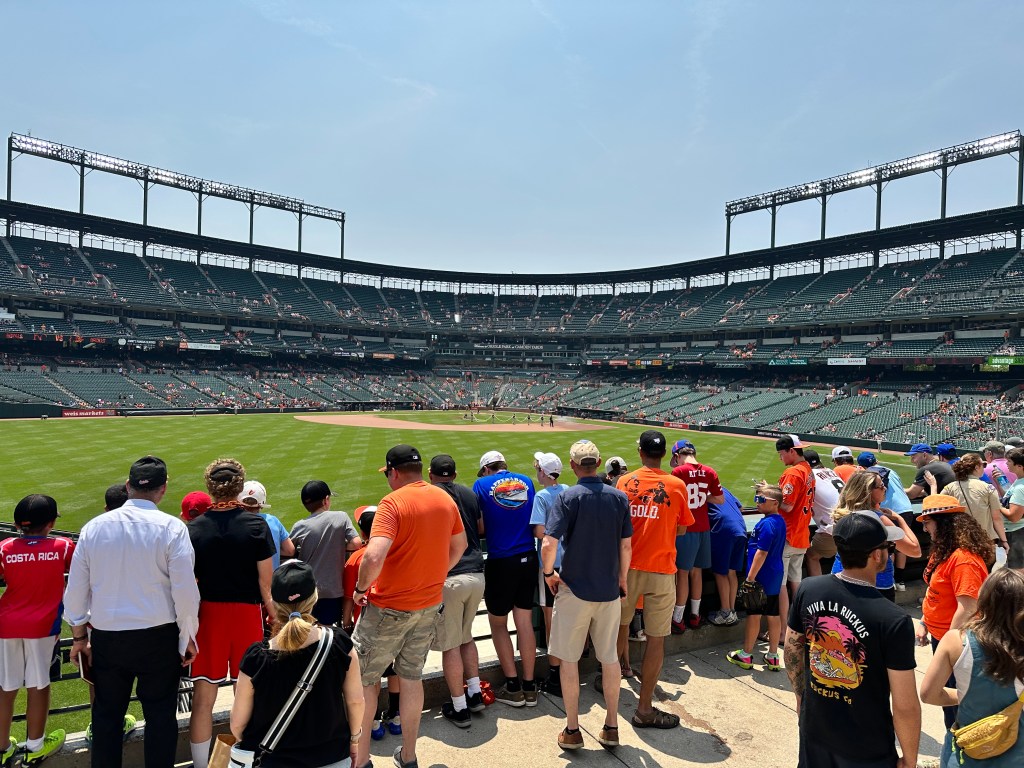
I don’t like ranking ballparks because each ballpark is unique and special in its own way. However, that being said, OPACY will always be one of my favorites. It was a game changer in ballpark design, starting the throwback design craze that continues today.
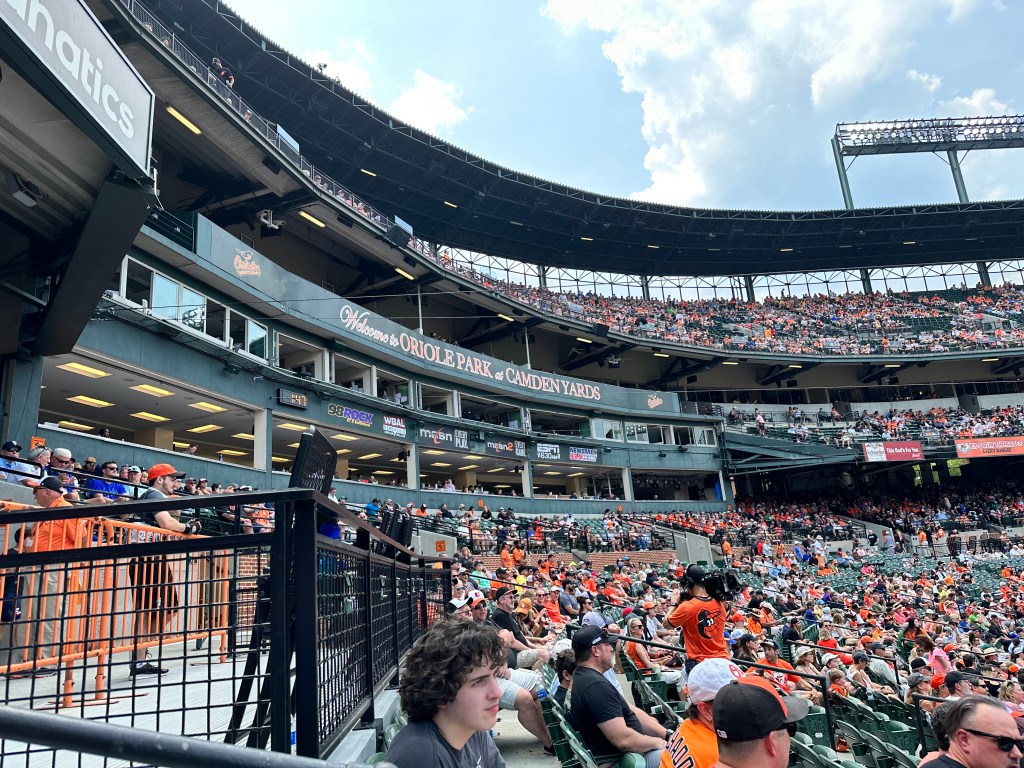
It inspired me to pursue a career in architecture, making it very nostalgic to me. I love that it revitalized an existing urban neighborhood. I appreciate the emphasis on good architecture both inside and out. I think it’s fantastic that they preserved a historic building and incorporated it into the design.
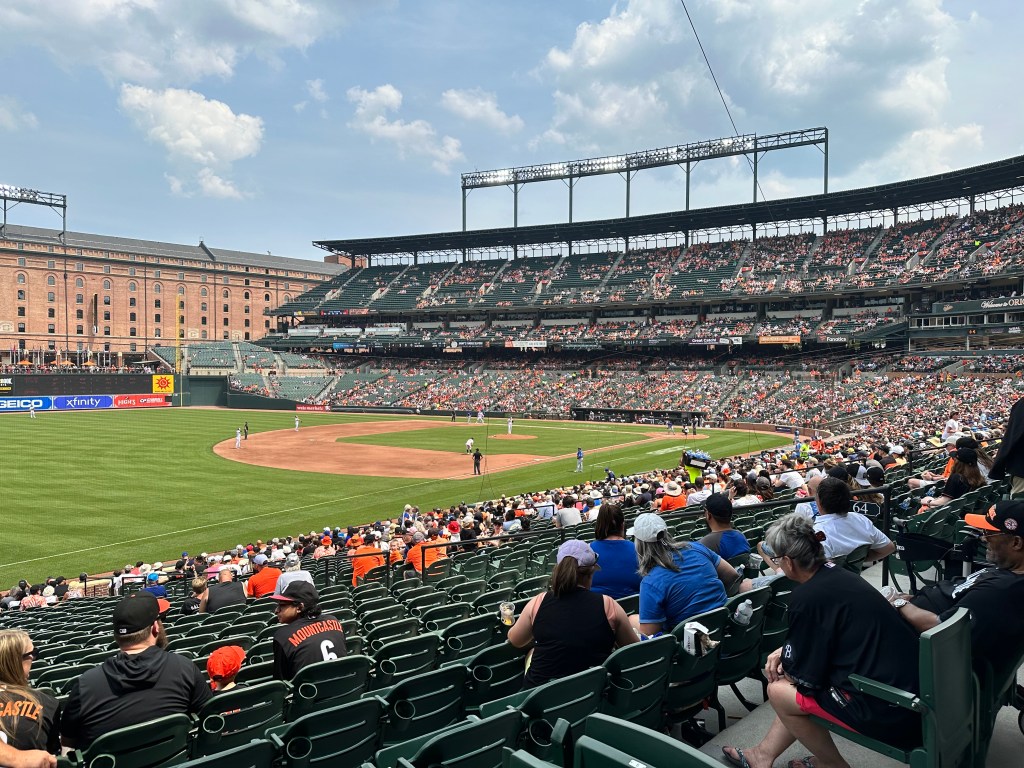
It’s crazy to think that OPACY is currently the 10th oldest ballpark in the league. It seems like just yesterday that 16-year-old me visited for the first time during the inaugural season. Because of its age, you won’t find many of the bells & whistles that newer ballparks have. However, it remains at the top of my list for all the reasons noted above.

If you’re interested in following our journey, hit subscribe to get email notifications for future posts.
 Touch 'Em All
Leave a comment